
People often mix up scoliosis and hyperkyphosis, but they’re not the same. Scoliosis curves the spine sideways. Hyperkyphosis rounds the upper back forward, usually beyond 50 degrees, making it difficult to manage daily work.
A small curve there is normal, but when it goes too far, it can change how you stand, how your back feels, and how easily you move through the day. Knowing when to seek help, and who to ask, makes things less stressful.
Find the Cause Behind Curve
Several factors can lead to hyperkyphosis, the excessive rounding of the upper spine. For some people, it comes from age-related changes in the spine or weak bones. For some people, the curve comes from how the spine formed. Some get it from years of poor posture. Treatment depends on the cause, curve size, and your health. It is not only in older age; teens and adolescents can also suffer from this condition.
Watch for a rounded upper back, stiffness, chronic aches, or trouble standing tall. If any of this starts getting in the way of your day, it’s time to see a qualified professional. Early advice often leads to hyperkyphosis treatment.
Why Professional Help Matters
Managing hyperkyphosis starts with finding what is causing the curve. A healthcare professional will assess your posture, movement, symptoms, and medical history. They’ll also let you know if you need any extra tests or scans. Your treatment plan then follows from your current condition. This might include guided exercise, therapies, or a brace to help you manage daily work easily. Every spine is different, so the plan should be too. The same thinking applies to scoliosis treatment, where one size never fits all.
Recommended Treatment by Hyperkyphosis Specialist
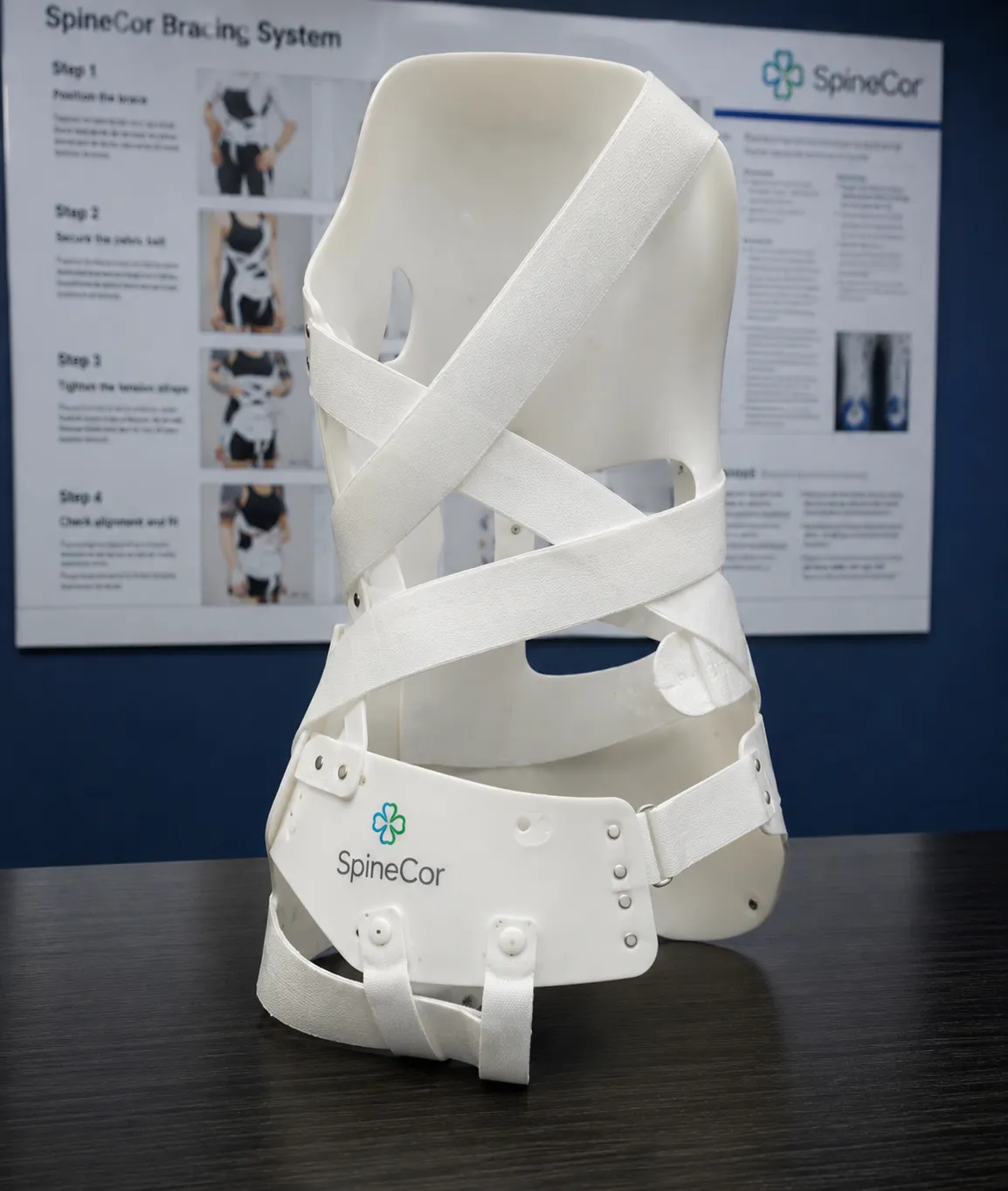
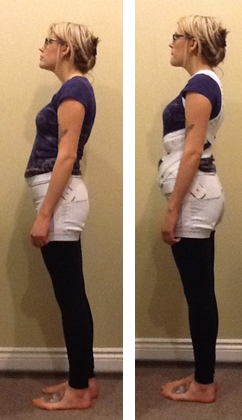
When exercises and good habits aren’t enough, a brace is recommended. The SpineCor brace was originally designed for scoliosis treatment, but is also used for hyperkyphosis. It is considered to be effective for both pain relief and postural correction.
Benefits of the SpineCor brace for Kyphosis:
- Less back pain
- Support to carry out daily activities
- Better posture
Why Waiting Can Make Things Harder
An unchecked curve can become stiffer over time, and stiffer hunches are harder to change. Checking in early gives you more options and often a gentler plan. Even if your curve turns out to be mild, you’ll know what to keep an eye on.
Get Professional Help that You Deserve
Once you understand what’s happening in your spine, the next steps are clearer, and with the right guidance you can move with more confidence.
If you’ve noticed changes in your posture or a curve that doesn’t look quite right, Scoliosis GTA can give you a diagnosis you can trust. Our experienced doctors treat hyperkyphosis and scoliosis every day. We offer a FREE consultation so we can address any concerns you may have and see if a personalised treatment plan may be suitable for you. Call us on 905.868.9090 or book an appointment with Scoliosis GTA